

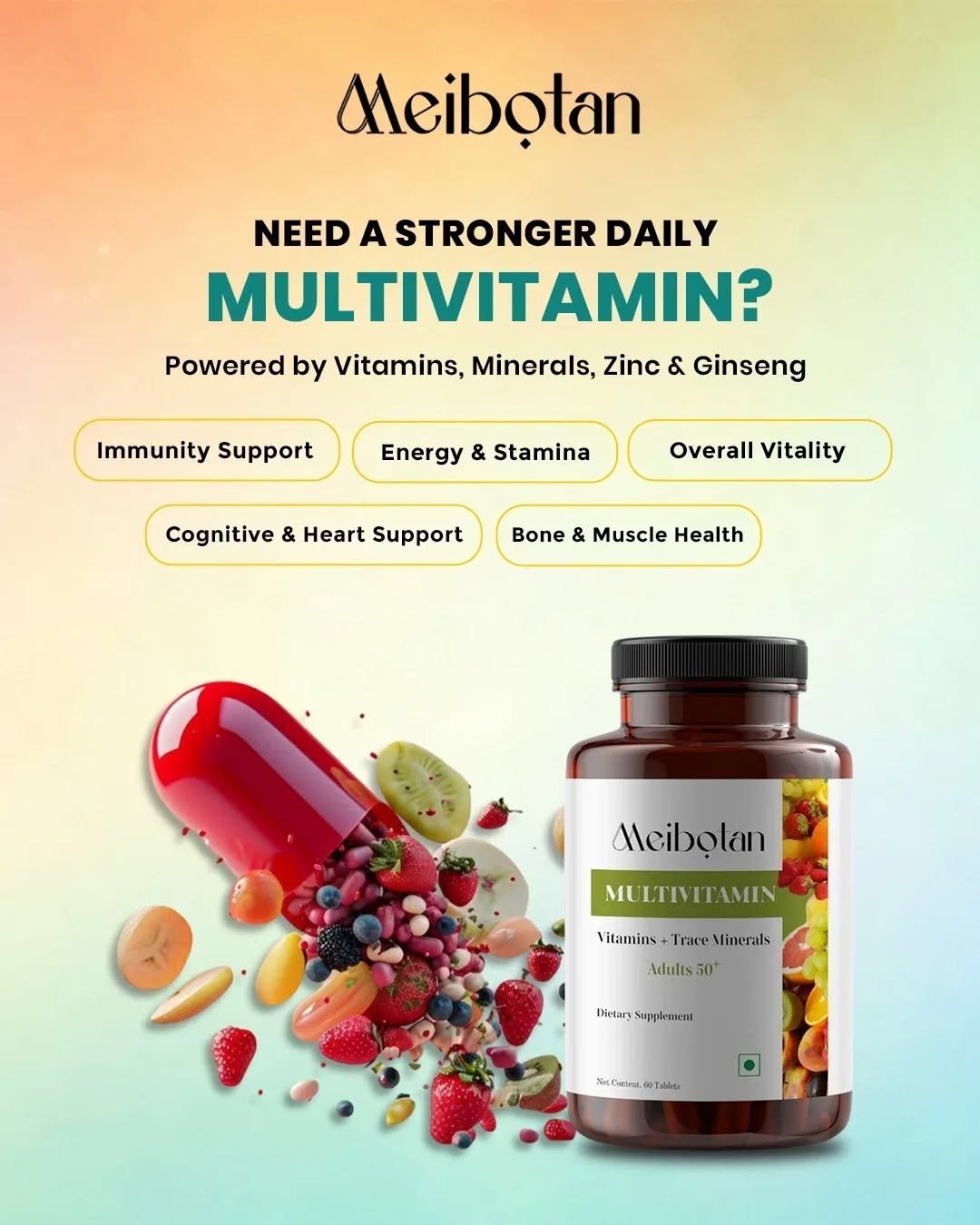
Best Multivitamins for Women's Hormonal Health: What Your Body Really Needs
Your hormones are constantly working behind the scenes — regulating your mood, energy, skin, sleep, and menstrual cycle without you ever noticing. It's only when something's off — a missed period, relentless PMS, unexplained fatigue, or the early waves of menopause — that you realize just how much they run the show.
While hormonal changes are a normal part of a woman's life, certain nutrients play a direct role in keeping that system balanced. At Meibotan, we believe understanding what your body actually needs is the first step to feeling like yourself again. Here's a breakdown of the vitamins and minerals that matter most — and how to choose a multivitamin that genuinely supports hormonal health.
The Hormone-Nutrient Connection
Hormones like estrogen, progesterone, and insulin aren't produced in a vacuum — they depend on specific vitamins and minerals to be synthesized, transported, and metabolized correctly. When your body runs low on even one of these building blocks, the ripple effect can show up as fatigue, irritability, irregular cycles, or stubborn breakouts.
Diet should always come first. But between demanding schedules, restrictive eating, and nutrient-depleted soil affecting today's produce, many women fall short of what their hormones need — which is exactly where a well-formulated multivitamin becomes useful, not as a replacement for real food, but as reliable backup.
The Key Nutrients for Hormonal Balance
Vitamin D
More hormone than vitamin in how it behaves, Vitamin D helps regulate estrogen and progesterone production and supports insulin sensitivity — a major factor for women managing PCOS. Low levels are also tied to low mood and persistent tiredness.
Vitamin B6
A frontline nutrient for PMS relief, B6 supports the production of serotonin and dopamine — the neurotransmitters that dip right before your period and contribute to mood swings, irritability, and breast tenderness.
Vitamin B12
Essential for energy metabolism and nerve function, B12 deficiency is common — especially among women on plant-based diets — and can intensify the fatigue that already comes with hormonal shifts.
Magnesium
Magnesium supports better sleep, eases muscle cramps, stabilizes blood sugar, and calms the nervous system — making it especially helpful for PMS-related anxiety and cramping.
Zinc
Zinc plays a role in ovulation and helps regulate androgen levels, which matters for women managing PCOS symptoms like acne and excess hair growth. It also supports immunity during hormonal transitions.
Omega-3 Fatty Acids
Though not a vitamin, Omega-3s are a staple in hormonal-health formulas thanks to their anti-inflammatory properties — easing menstrual pain and improving insulin resistance in women with PCOS.
Vitamin E
An antioxidant powerhouse, Vitamin E helps the body manage oxidative stress linked to hormonal imbalance, and may ease menopause symptoms like hot flashes while supporting skin health during the transition.
Matching Nutrients to Your Life Stage
- PMS: Vitamin B6, magnesium, and zinc are the trio most associated with easing mood swings, bloating, and cramps.
- PCOS: Vitamin D, B12, zinc, and Omega-3s support insulin sensitivity and hormone regulation. Inositol and chromium are also worth discussing with your doctor.
- Perimenopause & Menopause: Vitamin E, Vitamin D, calcium, and magnesium take priority, supporting bone density, mood, and symptom relief as estrogen naturally declines.
Choosing the Right Multivitamin
- Third-party tested — verify what's on the label is actually in the bottle.
- Bioavailable forms — magnesium glycinate absorbs better than magnesium oxide; methylated B vitamins are easier for the body to use.
- No unnecessary fillers — steer clear of artificial colors and excess binders.
- Life-stage-specific formulas — a multivitamin designed for hormonal support tends to outperform a generic one-size-fits-all blend.
- Sensible dosing — more isn't always better, especially with fat-soluble vitamins like A, D, E, and K, which can build up in the body over time.
A Quick Word of Caution
Supplements fill gaps - they don't replace a balanced diet or medical care. If you're dealing with heavy or irregular periods, severe mood changes, unexplained weight shifts, or fertility concerns, it's worth getting bloodwork done and speaking with a doctor before starting anything new, especially alongside medication.
Frequently Asked Questions
Can multivitamins really fix hormonal imbalance?
They support the nutritional foundation your hormones rely on, but they're not a cure-all. Significant imbalances usually need a mix of diet, lifestyle changes, and sometimes medical treatment.
How long before I notice results?
Most women see gradual improvement over 8–12 weeks of consistent use, since nutrient levels take time to build up.
Are these vitamins safe long-term?
Generally, yes, at recommended doses. Periodic bloodwork helps ensure you're not over-supplementing, particularly with fat-soluble vitamins.
Can I take these alongside birth control?
Usually, yes — though B vitamin and folate needs can shift on hormonal birth control, so mention your supplement routine to your doctor.
Should I get these nutrients from food instead?
Whole foods should always come first. Supplements work best as backup for what diet alone doesn't fully cover.